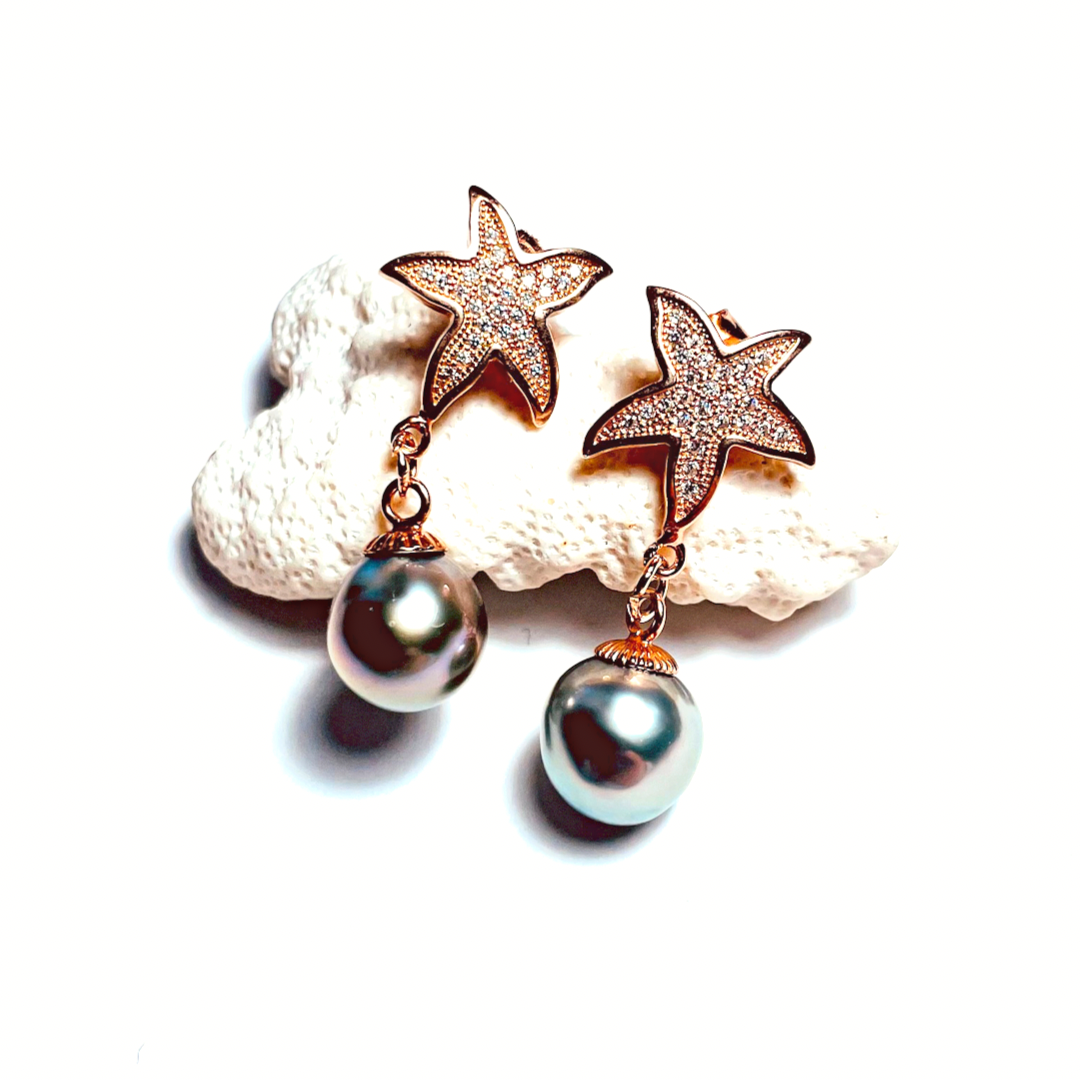
Our jewelry has a life: our own. We love it, we wear it—some pieces every day—and we don’t go easy on it. That’s only natural: that’s what it’s there for. Over time, a silk thread stretches, an elastic band snaps, a pearl comes loose, a ring breaks… and suddenly, a bracelet or necklace that’s dear to you breaks and you can no longer wear it.


Here you’ll find information about the materials we use and tips for caring for and preserving them.

THE JEWELS : OUR CARE TIPS AT A GLANCE

  • Do not expose your jewelry to water (swimming, showering, etc.): this weakens the knots and the plating and can cause the pearl to come loose.​
  • Do not expose your jewelry to chemicals (soap, shower gel, lotion, perfume, laundry detergent, cleaning products, etc.).​
  • Avoid storing your pearl jewelry in airtight containers: a dry environment can cause the pearls to dry out.​
  • Do not use cleaning or polishing products (such as silver cleaning lotions, etc.) to care for your pearls.​
  • Do not use cleaning products intended for metal (silver, brass, etc.) on the pearls.
  • Remove your jewelry before taking a shower, swimming, or washing your hands (for rings).
  • Protect your pearls with your hand when you spray on perfume.
  • To prevent them from getting damaged, the best way to care for your pearls is to wear them!
  • To clean the beads, wipe them with a soft, clean cloth without using any cleaning products, and without getting the base wet.
  • If you clean your necklace yourself, be sure to apply the cleaner only to the metal and not to the pearl.
  • If you wear your jewelry frequently, have your necklaces or bracelets assembled on silk thread rethreaded regularly (every year or every two years).
  • At the first sign that a pearl is coming loose (a pearl that spins on its post...), have a jeweler re-glue it to make sure you don't lose it!

CULTURE PEARLS

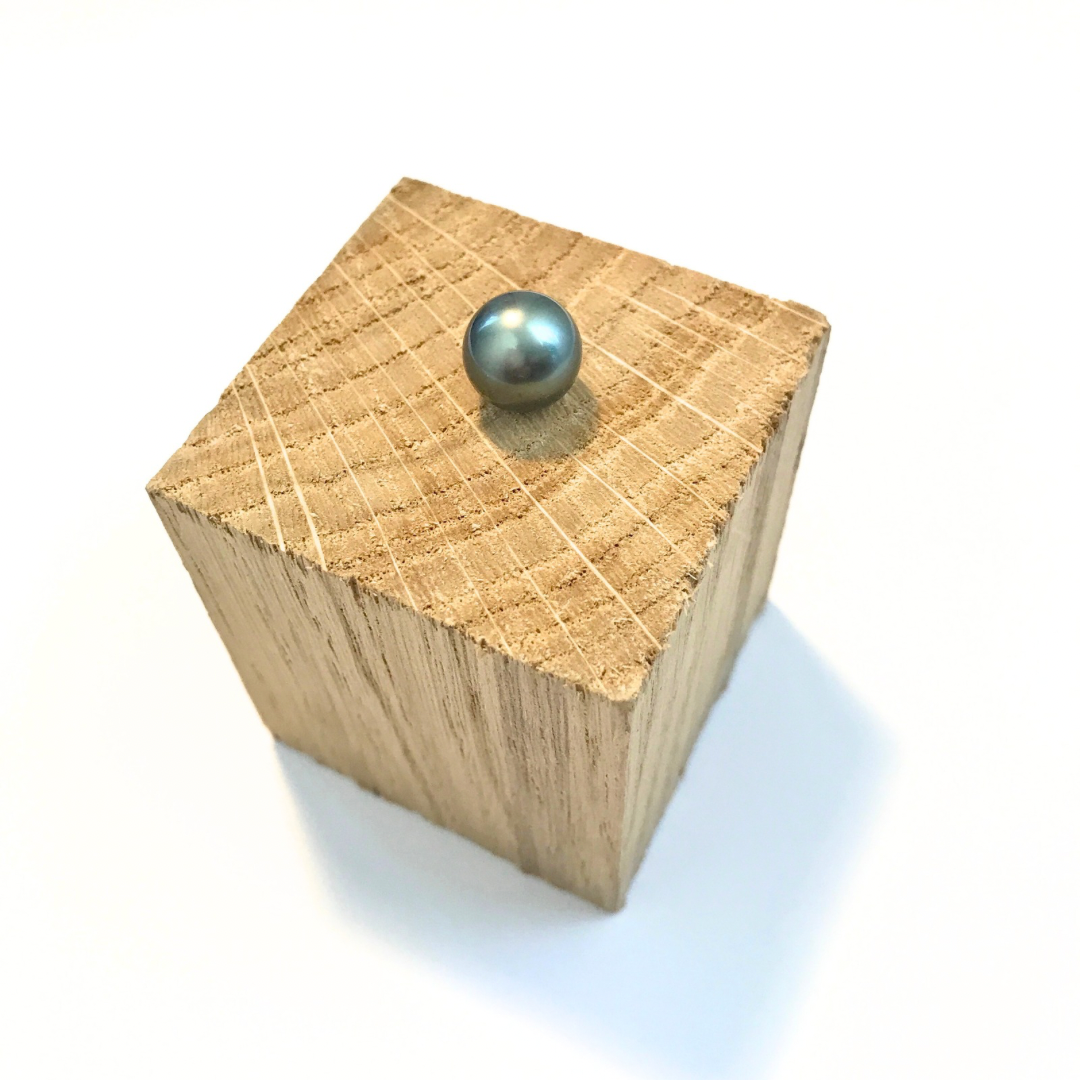
With a few exceptions, all Tahatai jewelry is adorned with one or more cultured pearls. Whether they are saltwater cultured pearls (Tahitian, Australian, or Akoya pearls) or freshwater pearls from Southeast Asia (China, the Philippines, etc.), cultured pearls are natural, organic, and are produced by implanting a nucleus into a mollusk. All of our cultured pearls are genuine and rigorously selected.

They require special care to preserve their luster, sheen, and longevity. Therefore, avoid using any chemical products (perfume, detergent, nail polish remover, hairspray, soap, etc.) to prevent damage.

To clean them, simply wipe them with a soft, damp cloth without adding any products, and without getting the supporting structure (pendant, etc.) wet.

If you wish to wear perfume, be sure to remove your cultured pearl jewelry or protect it before spraying perfume or applying cream. By following these tips, your cultured pearls will retain their original appearance.

Also, avoid storing them in airtight containers, as cultured pearls may dry out and their surface may crack.

THE ASSEMBLY AND STRUCTURE

Regardless of the type of setting—whether on silk, on metal (silver or gold-plated brass), or semi-drilled cultured pearls glued to a pendant—you should not bathe, shower, or swim, nor should you submerge the jewelry in water. The adhesive may dissolve upon contact with water or steam, which could cause you to lose the pearls or stones, weaken the knots at the ends of the piece, and/or damage the brass plating or the surface treatment of the silver (rhodium plating or vermeil). We accept no liability for improper use that results in the detachment and/or loss of one or more pearls, or the deterioration of the metals following contact with water or inappropriate products.

THE SILK THREAD​

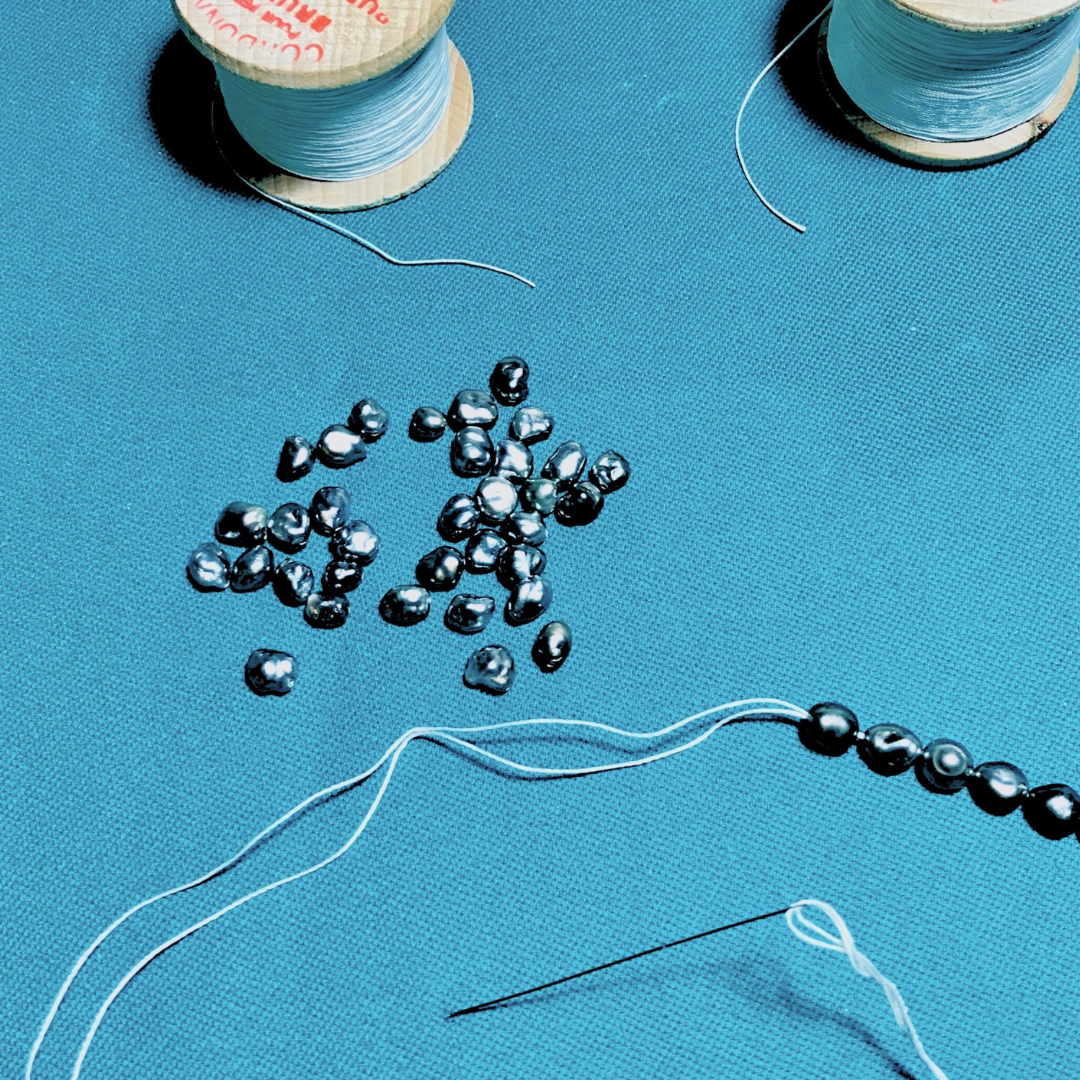
In keeping with traditional jewelry-making techniques, most of our necklaces and bracelets are threaded onto a silk thread that we reinforce—for added security—with a nylon thread; depending on the specific construction, this may or may not include knots between the beads. Over time (and with use), the silk thread tends to stretch; this is a completely normal process. If you wear these silk-threaded jewellery pieces in water, you will accelerate this process and will need to have the piece rethreaded. While cultured pearls tolerate water very well, the same cannot be said for the adhesive, silk, and metals.

We recommend having your jewellery checked and rethreaded regularly, before the thread becomes too stretched or brittle, which could result in the loss of pearls or stones. You can use the services of a jeweler or contact us. Please refer to the Terms and Conditions to learn about the re-threading options available at our workshop.


THE METALS

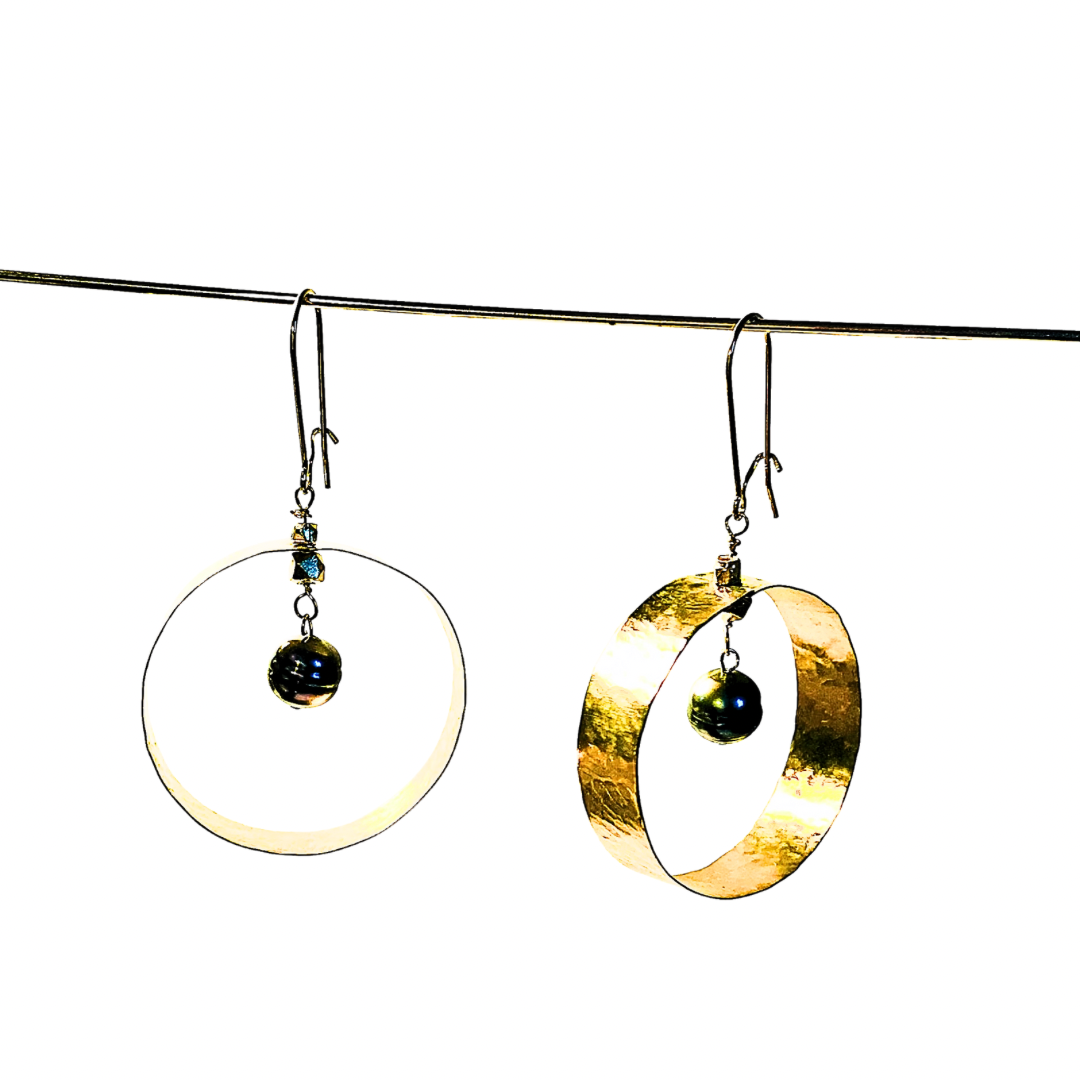
Our brass jewelry and decorative items are available in two finishes: raw brass (after polishing) or gold-plated brass. To clean them, simply wipe them with a cloth dampened with a suitable cleaning product.

Vermeil is a silver alloy plated with a layer of gold or rose gold (at least 2.5 microns thick). Clean your vermeil jewelry regularly with a soft cloth or a small, soft brush, making sure to avoid the cultured pearl.

Our silver jewelry is either unpolished silver or rhodium-plated. There are special cleaning solutions available. Be sure not to expose the finishing knots on silk-thread settings to moisture. In any case, be sure to avoid wiping the cleaning cloth over the cultured pearls.

Gold jewelry is available in 9-karat or 18-karat gold. The karat weight is specified in the product description. Gold does not oxidize; it may lose its luster over time, but simply wiping it with a soft, damp cloth will restore its shine.

To have your jewelry cleaned, you can take it to a jeweler. If you'd like to clean it yourself, be sure to use solutions that are suitable for the type of metal and avoid letting them come into contact with cultured pearls.

LEATHER

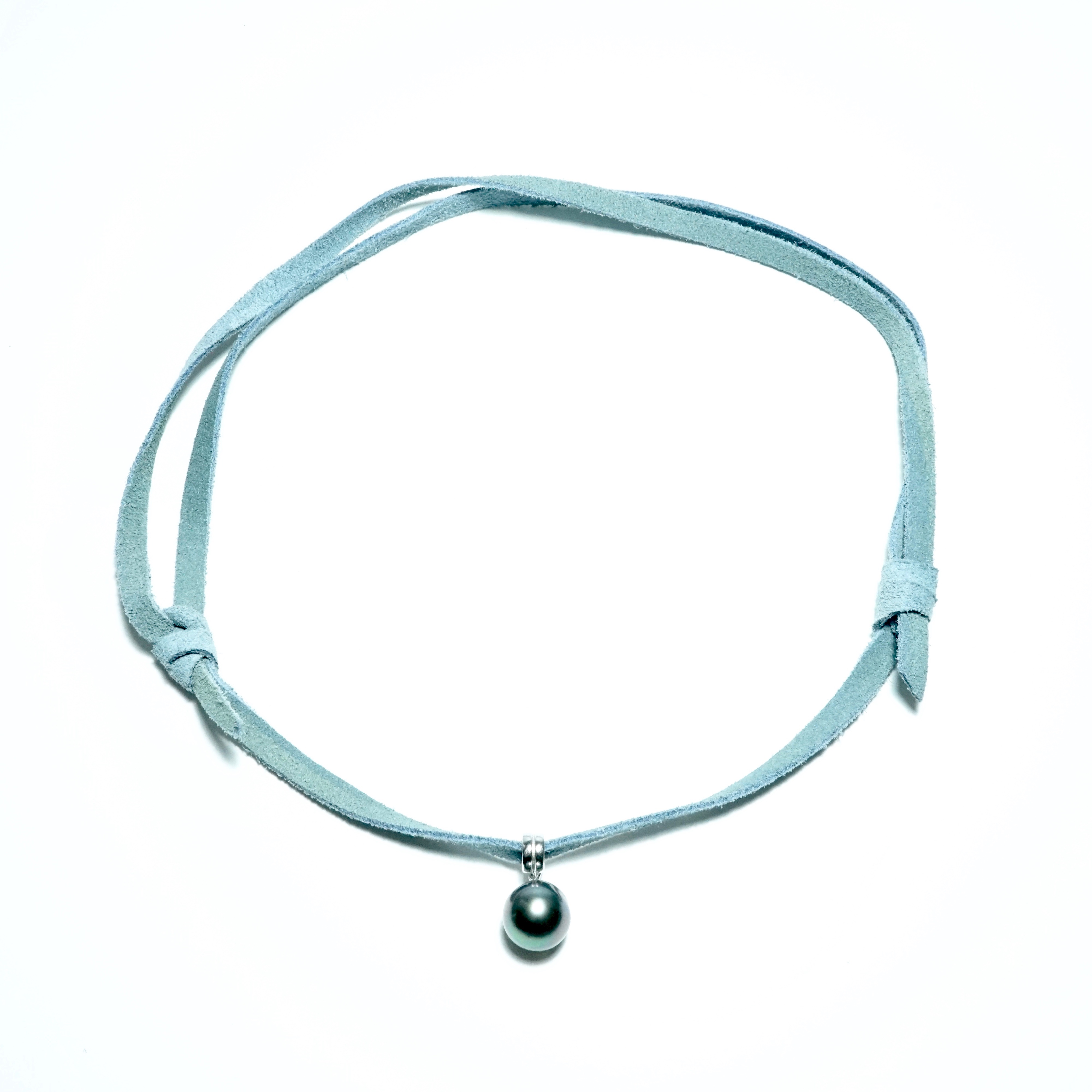
Whether we’re creating jewelry, accessories, or decorative items, when we use leather, it comes largely from recycling centers that source unused leather from luxury workshops in France. However, despite the high quality of the tanning process, we recommend avoiding contact with water or chemicals, or any unsuitable products. If you wish to clean them, be sure to use products specifically designed for leather care. As for the leather cords used in certain pieces of jewelry, it is normal for their appearance to change over time—they may become darker, more lustrous, or develop a cracked finish. You can nourish them with a suitable leather conditioner.
SILK THREAD

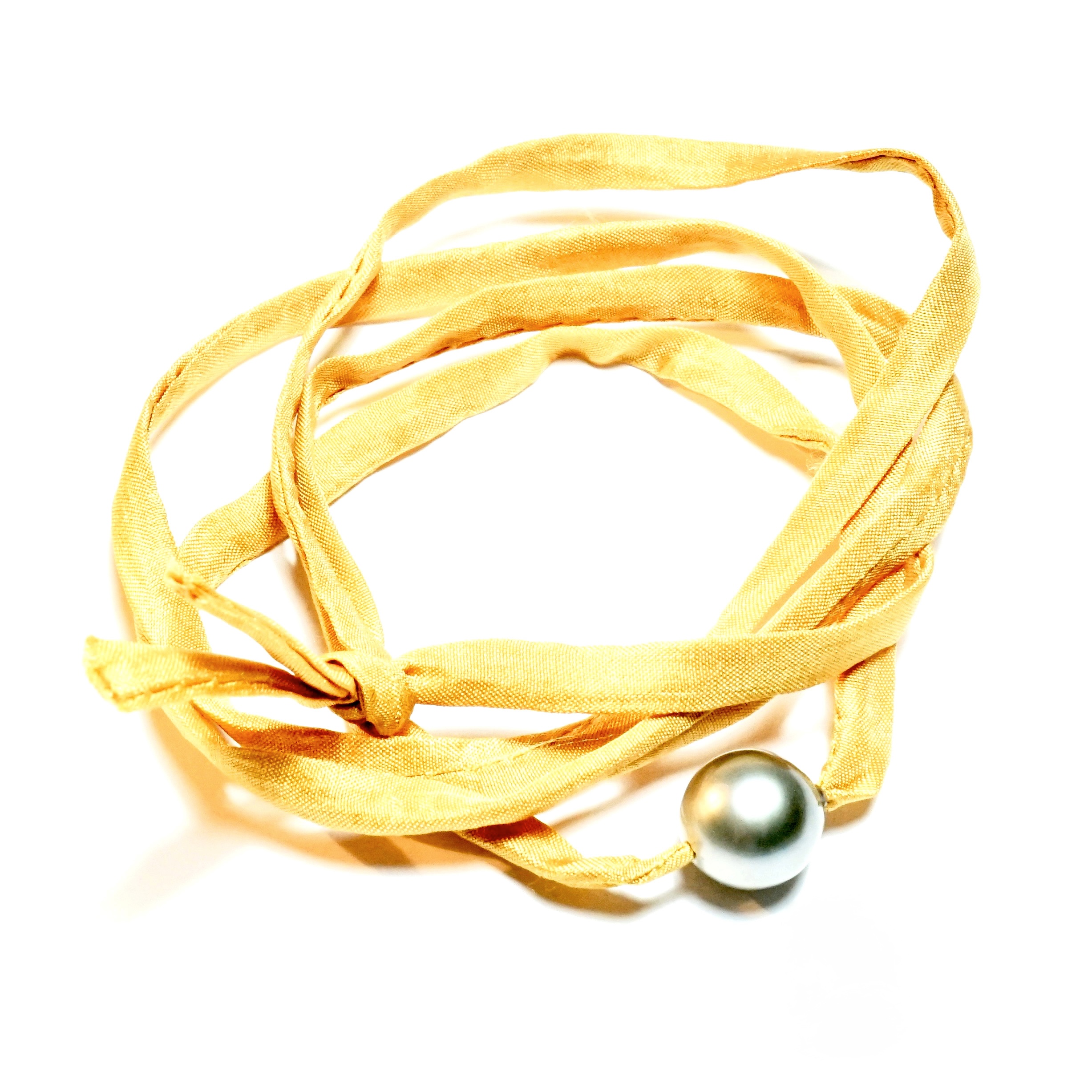
Some of our jewelry, particularly our Silky and Colors collections, is assembled on a colored habotai (woven) silk ribbon or a silk cord. Like all natural materials, silk changes with use; the edges may fray, the ribbon may stretch, and the colors may fade, depending on how it is used and the products it comes into contact with. If you bathe, shower, or swim while wearing a silk bracelet, you run the risk of the ribbon gradually deteriorating and its color losing its vibrancy. We cannot be held responsible for such changes.

ELASTIC

Some pieces of jewelry, particularly bracelets, are made with elastic. As with other types of jewelry, it is best to avoid water, which can dissolve the adhesive used to secure the knots. You should also be careful when putting on your bracelet to avoid stretching the elastic too much; over time, it becomes more brittle.
If you would like to have the leather cord or silk ribbon/cord replaced (subject to availability in the color of your choice), please contact us to request this service, and we will send you an estimate.


CYANOTYPE

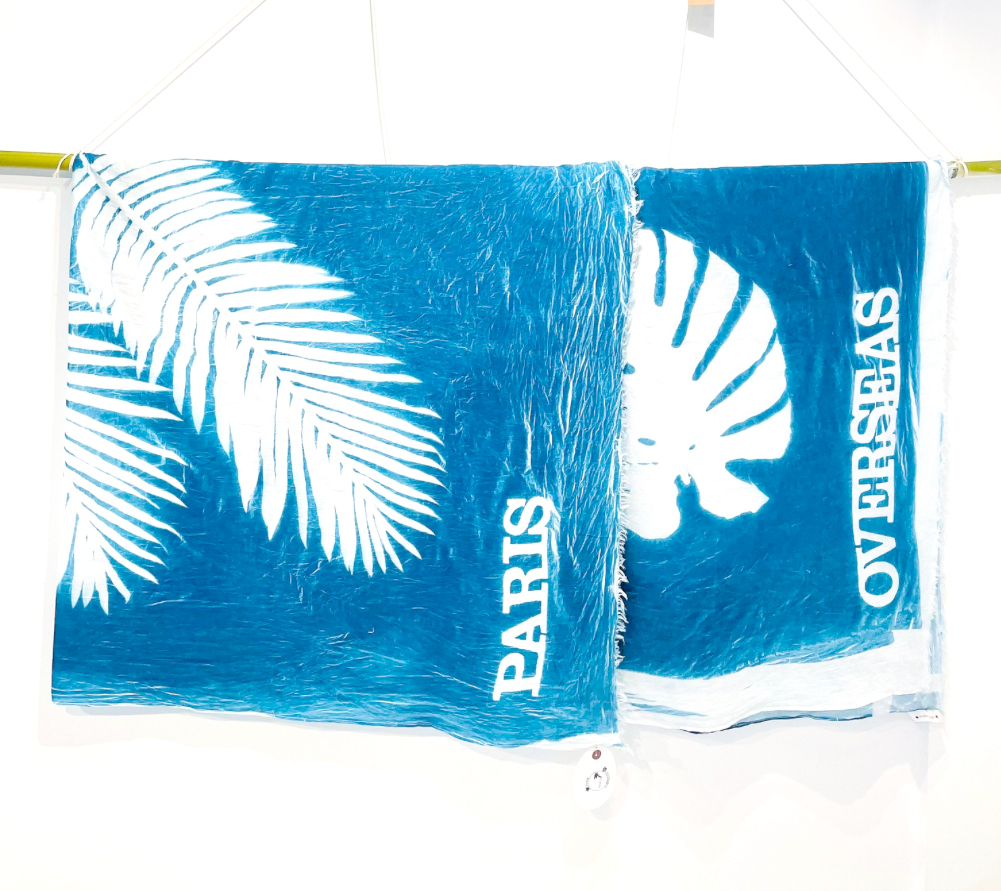
Cyanotype is a monochrome photographic printing technique that involves exposing a substrate—such as paper, fabric, or cardboard—to light after applying a reactive mixture.

We produce cyanotype prints on various types of paper in different sizes (from A6 to A2 or larger), as well as on fabrics (from cushion covers to sarongs and curtain panels). 

These prints are sometimes also available in other colors (black, yellow, etc.), in which case they were produced using a similar process with a different reactive mixture.

Cyanotypes are sensitive to sunlight and UV light. While we standardize the process during production, the shade is subject to variation. To preserve the original color and sharpness, we recommend washing fabrics in cold water with a mild detergent (such as baby laundry detergent).